

Key Takeaways: Your Investment Decision Framework
Your goal determines the location
Choose Melbourne for wealth building through property value appreciation. The debate over rental income in Melbourne vs. Regional Victoria shows that outlying areas offer better immediate cash flow.
Melbourne's value comes from land
A sound Melbourne investment has a Land-to-Asset Ratio of 70% or more. This ensures you're buying the appreciating part of the asset and not the depreciating building.
Regional safety comes from a strong economy
Safe investing in a regional area for 2026 means choosing towns with multiple employment sectors. This protects your investment and potential for capital growth.
The final check is an independent valuation
Before any sales, a Certified Practising Valuer must determine the property's true market worth. This protects all buyers from overpaying based on an agent's price guide.
Investment Goal: Long-Term Growth vs. Immediate Cash Flow
The very first step in your decision is to be clear about your financial objective. A comprehensive analysis shows that metropolitan Melbourne is built for a different outcome from regional markets.
- Melbourne is for Asset Appreciation: The primary reason buyers choose Melbourne is to build long-term wealth. The city’s property trends are driven by a growing population and a limited supply of land, which pushes values up over the decades. This is a lower-risk strategy for wealth building.
- Regional Areas are for Cash Flow: The main appeal of regional hubs is higher rental returns. The difference in rental yields can be significant. This provides immediate income to help with home loans, though it often yields lower long-term value growth.
Matching the location to your primary goal is the most important decision you’ll make when considering these two distinct investment paths.
The Growth Engine: What Makes the Victoria Property Market Tick
Once your goal is clear, you’ve got to understand the mechanics of what makes property values increase. The drivers of capital appreciation differ completely across locations.
In Melbourne, Land Scarcity Drives Value
In Greater Melbourne, the physical house depreciates over time. The land it sits on is the real asset because it’s a finite resource. As the population expands, demand for this limited land increases. This is the fundamental driver of long-term value and a key reason many investors favour the city.
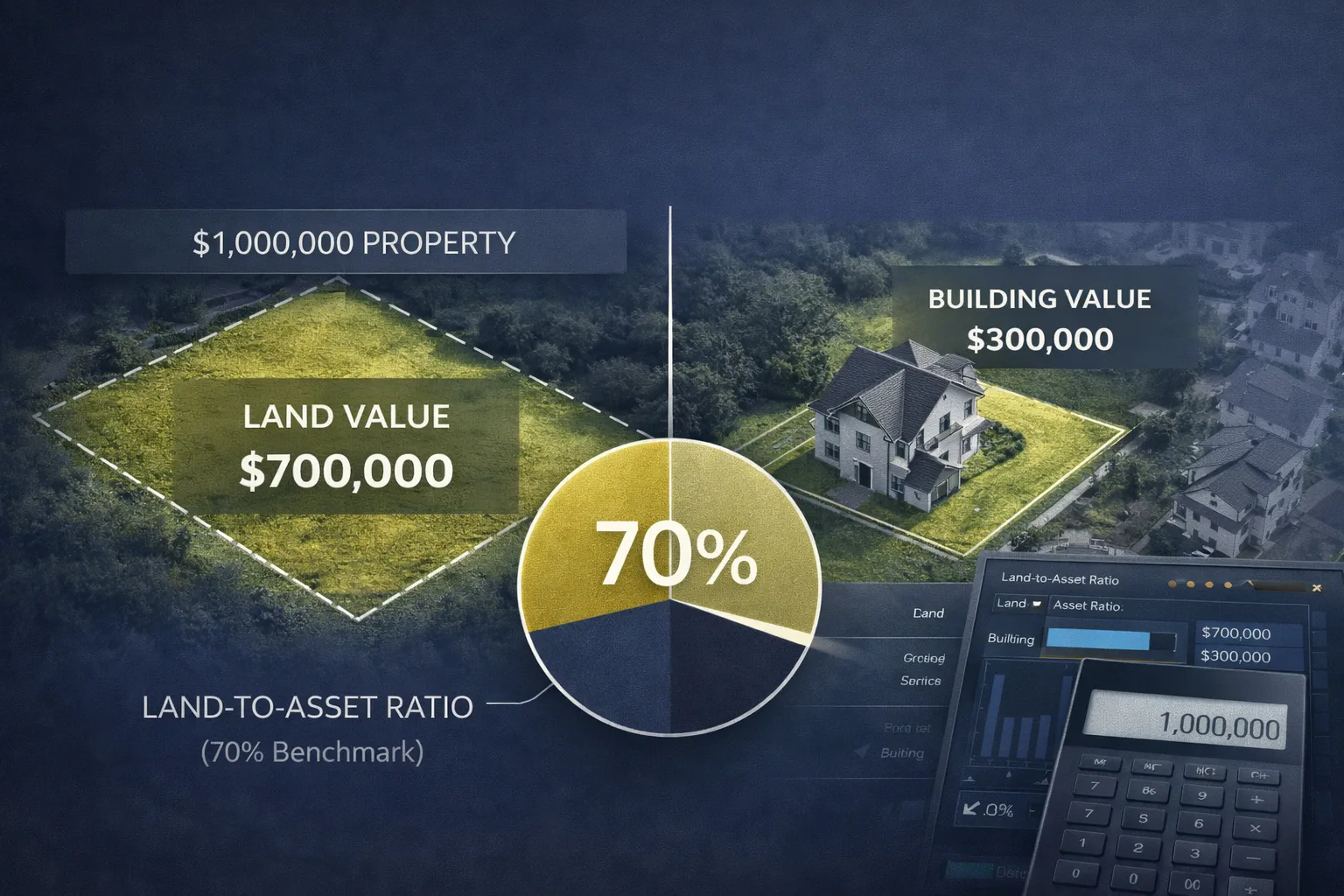
This is the most important calculation for any property purchase in the city. A prospective buyer needs to obtain the council rates notice, which lists the official land value. This value is then divided by the property’s purchase price. For example, a $1,000,000 property with a $700,000 land value has a 70% Land-to-Asset Ratio.
A sound investment property should have a 70% or higher ratio. A low ratio indicates you’re overpaying for the building, which is the depreciating component of the asset.
In Regional Areas, New Infrastructure Fuels Demand
In a regional town, land isn’t as scarce. The potential for price increases is instead driven by new projects that attract people and create jobs. The recent exodus has shown how a new hospital or a major transport upgrade can make a town more appealing and drive up housing demand. This is particularly true in appealing beachside towns with potential.
A proposal for a new project isn’t a reliable investment signal. You’ve got to confirm it has secured government funding. You can check the official Victoria’s Big Build website, which lists major state-funded projects. If a project isn’t on this list, it should be treated as just an idea rather than a certainty. A prudent property investor considers only towns with concrete, funded projects that’ll create long-term jobs in stable sectors such as healthcare, education, or public administration.
Need clarity on your next move
We’ll handle the complex data analysis and build a personalised strategy to find your ideal investment property.Our network finds high-quality, discounted properties before they become public. Let’s discuss a strategy to find your ideal property.
The Risk Factor: How to find a great Regional Victoria Property
Every investment carries risk. Your job is to understand the specific risks in each market and use a clear, logical process to manage them, so you soar above potential pitfalls.
Melbourne's Risk: Overpaying for a Poor Location
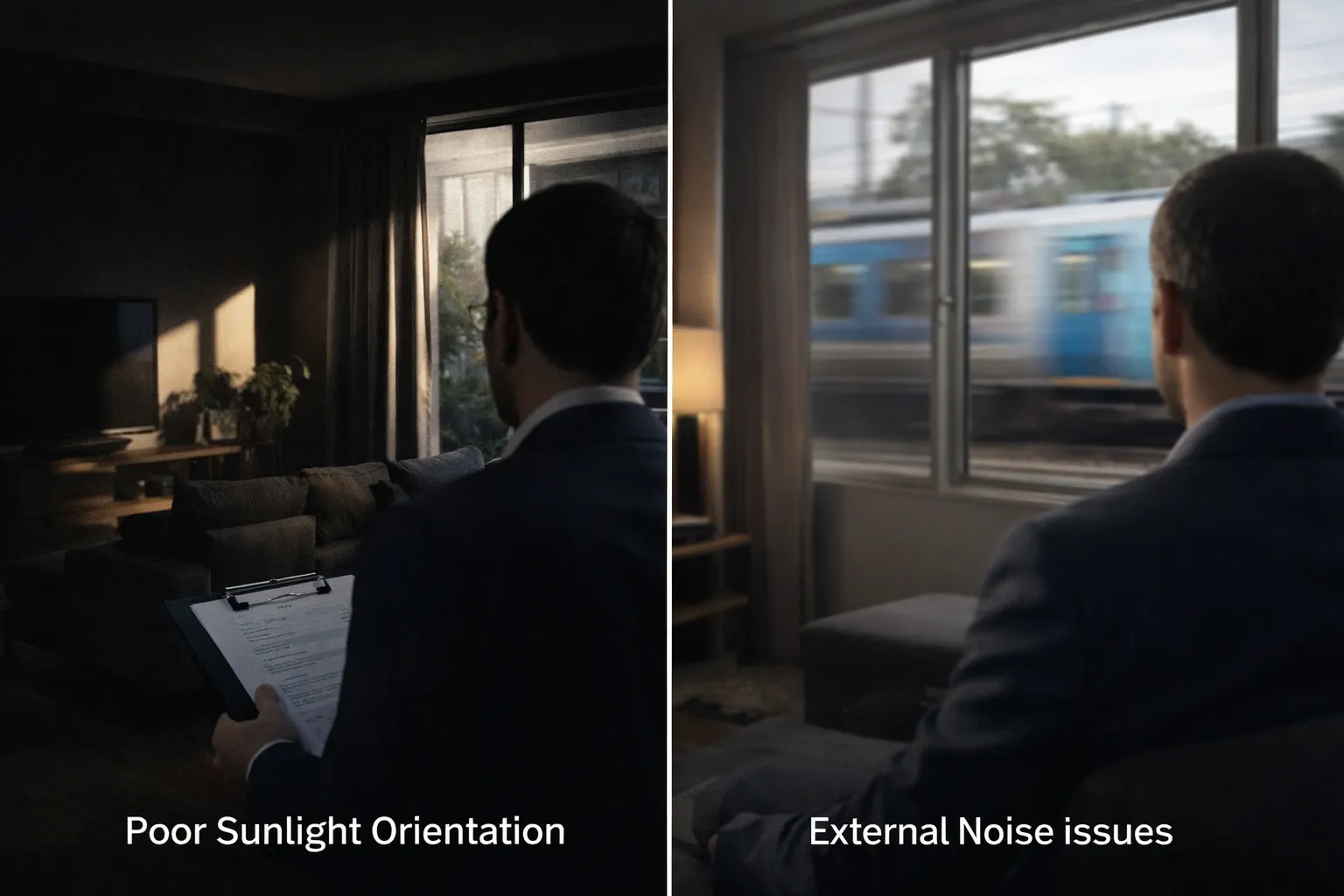
The biggest financial risk in Melbourne is buying in a location without a strong owner-occupier appeal. This is the quality that protects a property’s value during a market downturn. That’s why a deep-dive suburb profile for an area like Chelsea is so crucial for smart investors.
To mitigate risk, a buyer should consider only properties in high-demand suburbs where desirable tenants and future homebuyers will compete for them. You can use the Find My School Victorian government website to verify the property is zoned for a highly-rated public school. Then you should confirm it’s less than a 10-minute walk to a train station and a popular strip of cafes. A buyer’s agent coordinates independent building and pest inspections to ensure the property is physically sound. Our team operates on a strict mandate regarding major defects. We’ll meticulously review Section 32 alongside these checks to ensure clients only ever see safe investments.
A Regional Area's Risk: The One-Industry Town
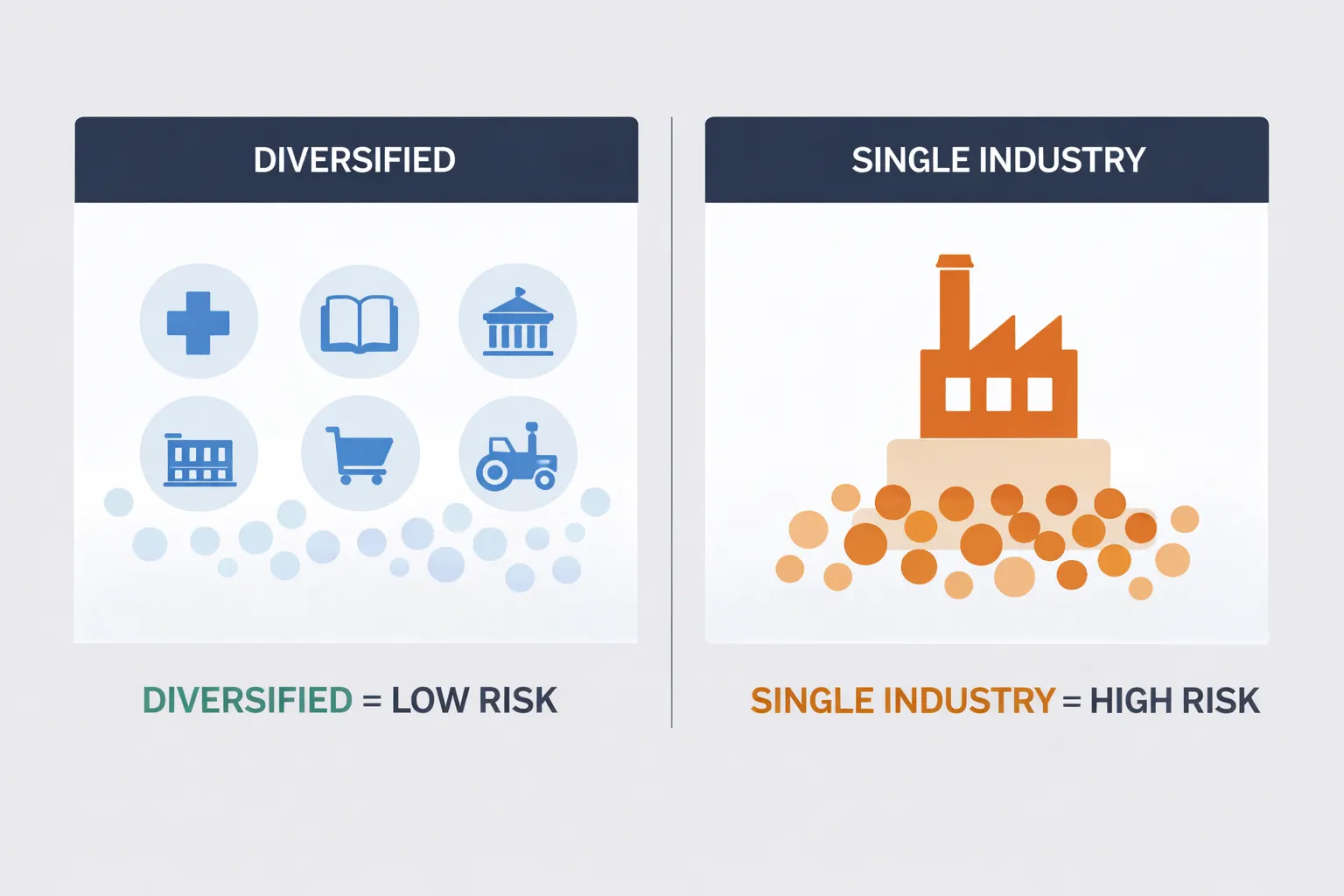
The greatest danger when looking at a regional Victoria property is investing in a town that relies on a single major employer. If that industry falters, jobs disappear, people move away, and your property’s value can decline significantly. This would erase any hope of asset appreciation.
Before investing in a regional location in 2026, you’ve got to confirm the town has a strong, diversified economy. You can use the Australian Bureau of Statistics (ABS) Census Data website. Search the town’s Local Government Area and analyse the Industry of Employment data. A low-risk town will have jobs spread across multiple sectors like Health Care, Education, and Public Administration. If the data show that one industry dominates, it’s a high-risk, speculative location.
The Final Verdict: An Action Plan for Property Investors
The choice isn’t about which location is better, but which is the right tool for your specific financial goal. Here is the path forward for this crucial investment decision:
- If your goal is long-term wealth, focus on Melbourne. Your objective is to find a property with a strong owner-occupier appeal and a Land-to-Asset Ratio of 70% or more. The median house price might be higher, but the long-term outlook is often stronger.
- If your goal is immediate cash flow, focus on Regional Victoria. Your focus is on finding a property in a town that has passed the economic diversity test and has confirmed government spending on major infrastructure. You’ll also need to factor in the logistics of securing a reliable local property manager for your rental.
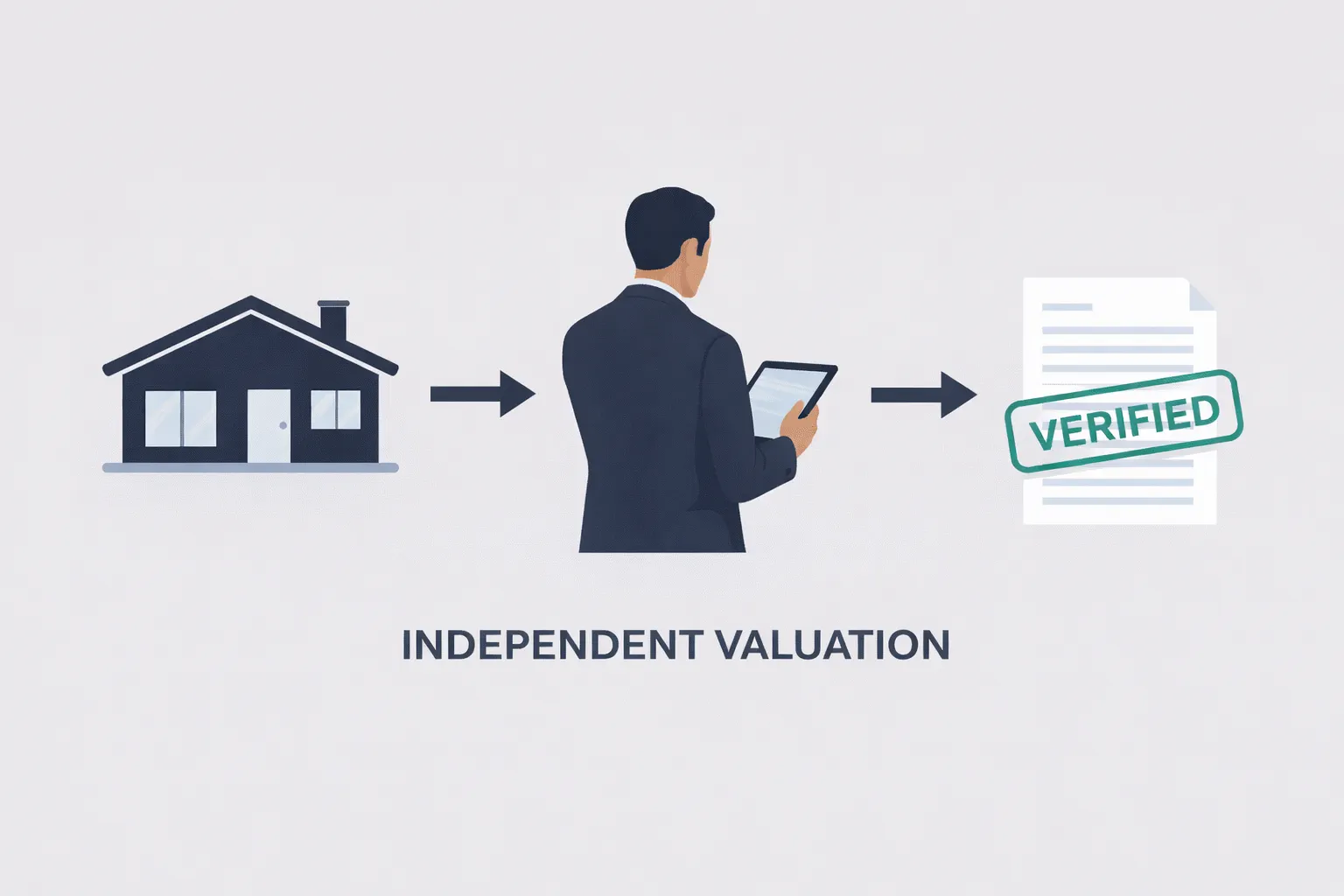
- No matter where you buy, get an independent valuation. A selling agent has a legal duty to the seller. A Certified Practising Valuer provides an objective and data-driven assessment of a property’s true market worth. This is a non-negotiable step in our own process because it provides the hard data needed to negotiate effectively and walk away from a bad deal.
Frequently Asked Questions on Rental Yields and Investment Property
A buyer should focus on the strategy that aligns with their primary financial goal. Property value growth is better for long-term wealth creation, while a steady rental income is better for immediate cash flow to service a loan.
- Choose Value Growth in Melbourne if: Your goal is capital appreciation over 10 or more years to build a retirement nest egg. This is a wealth-building strategy where the median price often increases steadily.
- Choose Rental Income in Regional Victoria if: Your goal is to have a cash-flow positive or neutral property from day one to minimise out-of-pocket expenses.
The tradeoff is clear. A high-growth Melbourne asset'll likely have lower yields, while a high-yield regional property might experience lower long-term asset appreciation.
Internal Rate of Return is a financial metric that calculates the total annualised profit of an investment. It combines both rental income and final asset appreciation. It matters because it provides a more complete picture of an asset's performance than just one metric alone.
For example, when comparing two properties:
- Property A (Regional): Has a 5% annual return but only 2% annual value increase.
- Property B (Melbourne): Has a 3% annual return but 6% annual value increase.
While Property A provides better cash flow, the calculation would likely show that Property B is the superior long-term investment due to its stronger total return. This is why a detailed analysis of the market is crucial.
No, a boom town isn't inherently a safe investment. The safety of a regional town is directly linked to its economic diversity. This can be verified using Australian Bureau of Statistics (ABS) data on employment industries. A look at the best yield suburbs isn't enough.
A town experiencing a boom based on a single industry, such as mining or a specific construction project, is a high-risk, speculative investment. If that industry declines, property values can fall sharply. In contrast, a regional hub like Geelong or Ballarat, with established and diverse economies in healthcare, education, and public services, is considered a lower-risk, investment-grade location. Their consistent growth makes them popular with many investors.

Ni Advocacy
Melbourne Buyers Agency
Ready to invest with an expert on your side
Book a free strategy call to discuss your goals and get a clear, data-driven plan for your success.