

Key Takeaways On A Buyers Agent's Role, Unpacked
A Direct Answer
A buyer's agent is your personal property expert who's hired to find, analyse, and negotiate to secure the right property at the right price while working exclusively on your behalf.
The Legal Difference
Unlike selling agents who work for the vendor, a buyer's agent's sole legal duty is to you. This removes any conflict of interest.
The Buyer's Agent Process
Their work involves three phases: finding hidden off-market properties, performing data-driven valuations to prevent overpayment, and managing the entire property purchase from start to finish.
Benefits of Using a Buyers' Advocate
You'll gain access to more properties, save dozens of hours, and have an expert negotiator to protect your interests from emotional and financial mistakes during the property buying process.
The Legal Advantage Of A Buyer's Agent versus The Seller's Agent

Before looking at the day-to-day jobs, it’s critical to understand the legal structure of a real estate transaction. The selling agent you’ll meet at an open for inspection has a signed agreement with the homeowner.
Their legal and financial duty is to achieve the highest possible price for the seller. A core benefit of using a buyer’s agent is levelling the playing field because they represent the buyer exclusively.
This creates an immediate conflict of interest for buyers. You’re negotiating against a trained professional whose entire job is to maximise the price you’ll pay. A buyer’s agent flips this equation. They’re legally and ethically bound to work exclusively for you, and they provide the same professional representation the seller has.
This ensures your interests are always the top priority for every single home buyer we’ll work with. A buyer advocate represents your best interests.
Job One: Finding the Right Property, Including Off-Market Gems
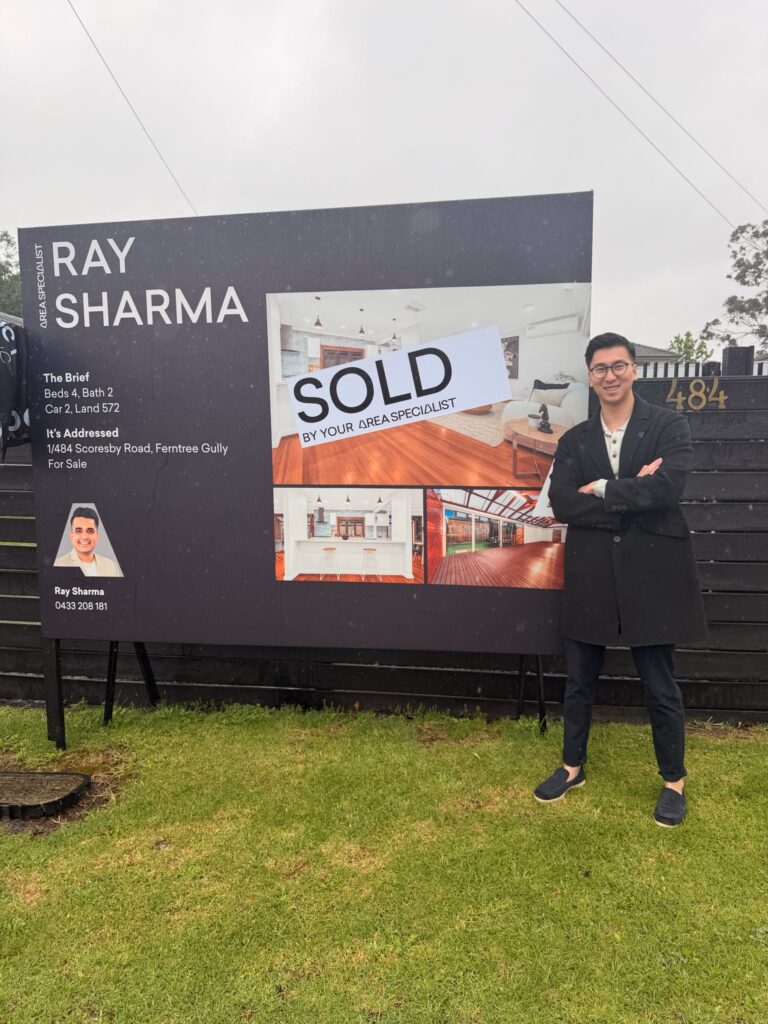
A buyer agent’s first mechanical task is to search the market for the right property. This goes far beyond setting up alerts on public websites. The real value comes from helping buyers access properties before they’re advertised to the general public.
These are known as off-market opportunities. A buyer’s agent can help you find your dream residential home or your next commercial investment.
How It Works in the Real World:
-
Agent Networks Selling agents regularly contact trusted buyers' agents before listing a property. This offers them a fast, quiet sale to a pre-approved buyer, saving their client marketing costs and the hassle of public inspections. With some estimates suggesting up to 20% of properties are sold off-market, especially in competitive premium markets, this access is a significant advantage.
-
Targeted Search They'll actively hunt for properties that match your specific brief. For a prospective home buyer, this means finding the perfect house. For investors, it could mean searching for the best growth opportunities across different states for your next investment property.
Job Two: How a Buyers' Agent Can Negotiate a Better Purchase Price
The most common fear for any homebuyer is paying too much. This often happens in the heat of an auction, which is a phenomenon known as the Winner’s Curse. This is where the goal shifts from making a smart purchase to simply winning. This is where an expert buyer’s agent and their negotiating strategies, or a dedicated auction bidding service, become critical.
How It Works in the Real World:
-
Comparable Market Analysis An expert buyer's advocate will analyse hyper-local sales data to see what similar properties have actually sold for in recent weeks. They'll assess land size, building quality, and location to build an evidence-based price range for the property purchase.
-
Setting a Walk-Away Price Based on the data, a firm upper limit is set. This number serves as a circuit breaker for emotions during a fast-paced auction. As a certified valuer buyer's agent, for instance, I'll use a formal valuation process to ensure this number is based on hard evidence rather than guesswork. This process relies on a rigorous methodology to determine a property's true market value rather than a subjective agent's appraisal. This isn't just about winning an auction. It's about soaring above the market's emotional turbulence with a data-driven plan.
While understanding fee structures is important, the value from skilled negotiating often results in savings that far exceed the professional fee. In Victoria, these professional fees typically range from 1.3% to 3.5% of the purchase price.
Ready to Secure Your Property Future with Data-Driven Expertise?
An expert analysis can determine its true market value. Let’s find your clear, data-driven walk-away price before you make an offer on your next property purchase.
Job Three: Managing the Property Purchase and Due Diligence Process

Once a property is chosen, a buyer’s agent acts as your project manager through to settlement. This detailed work is a key part of the process and protects you from legal and structural risks. These crucial steps ensure your purchase is sound.
How It Works in the Real World:
-
Due Diligence Coordination A buyer's agent organises independent building and pest inspections to ensure the property is physically sound. Our team meticulously reviews the vendor's legal document, Section 32, alongside these reports to ensure each client only sees safe, high-quality assets.
-
Solicitor and Broker Liaison They serve as the central point of contact between your solicitor for legal contract review and your mortgage broker to ensure finance is approved on time. This makes sure nothing is missed.
-
Pre-Settlement Handover They attend the final inspection just before settlement to ensure the property is in the same condition as when you bought it. Investors can also help source a high-quality property manager.
FAQs About Using a Buyer's Agent
The main difference is their legal loyalty. A buyer's agent is legally contracted to represent only the buyer's interests. In contrast, a selling agent is legally obligated to secure the highest possible price for the seller.
Buyer's agent fee structures in Australia are typically either a fixed fee agreed upon upfront or a percentage of the final purchase price. In Melbourne, a percentage-based fee can range from 1.5% to 3% of the purchase price. This aligns the agent's success with securing a good price.
For buyers who value time, access to more options, and data-driven negotiation, an advocate is generally worth the cost. For many people who can spend up to seven months researching on their own, the ability to secure a property faster and with less stress is a significant benefit. Potential savings on the purchase price and the avoidance of costly mistakes often outweigh the professional fee.
Buyer's agents find off-market properties primarily through their established professional networks. Selling agents often present properties to a trusted buyer's agent before a public marketing campaign to reach pre-qualified buyers for a quick, private transaction.
When choosing a buyer's agent, prioritize these key factors:
- Licensing: Ensure they hold a valid real estate license in your state. You can often verify a license on the state's public register.
- Specialization: Look for agents who specialize in your desired location and property type, such as family homes or investment properties.
- Additional Qualifications: Agents with qualifications like a Certified Practising Valuer licence offer superior data analysis and valuation accuracy.
- Independence: Choose an agent who works exclusively for buyers and doesn't sell property to avoid conflicts of interest.
Ni Advocacy
Melbourne Buyers Agency
Need help to buy smarter, not harder?
A clear strategy turns a stressful process into a confident investment. Let’s map out your actionable plan for your property-buying journey together.