

Key Takeaways for Astute Investors
The Bottom Line
Yes, it's a good time for a purchase. A structural shortage of homes combined with strong investor activity points to future price appreciation, creating a clear buying opportunity.
Market Mechanics
The real story is told by a significant year-on-year increase in new investor loans and population growth that's far outstripping the construction of new homes.
A Repeatable Strategy
You'll find high-potential areas by following a 3-point checklist tracking new government infrastructure, identifying major job and university hubs, and analysing the wealth ripple from premium localities.
The Ultimate Safety Net
A formal and independent valuation is the only way to establish a property's true market value. This gives you a data-backed walk-away price to protect you from emotion and financial risk when buying a home.
Step 1: Key Data Signalling a Buying Opportunity
To make a confident decision, you must ignore the headlines and focus on the same objective data that professional investors use. Two key indicators currently suggest that, while the environment feels uncertain, economic pressure is building for future appreciation, signalling a potential turnaround in Melbourne’s property market.
Here is the data and what it means in the real world.
The Indicator
Investor Loan Activity
The Statistic
New investor loans in Victoria are up significantly year-on-year.
The Real-World Interpretation
This Australian Bureau of Statistics data shows that professional investors see long-term value and are actively buying now. This is the sound of smart money soaring above the general sentiment.
The Indicator
Housing Supply vs Demand
The Statistic
Victoria’s population is projected to grow by 1.5% annually, while new dwelling approvals are tracking 15% below the decade average.
The Real-World Interpretation
This creates a structural shortage. When more people need a home than are being built, there’s sustained upward pressure on both property prices and rental income, with vacancy rates in some suburbs being extremely low.

Ready to Buy with Confidence?
Let our expert valuers find your ideal property and ensure you never overpay. Get your personalised, data-driven strategy today.
Step 2: Finding High-Growth Suburbs for Real Estate
Many buyers become paralysed by looking everywhere at once. Real capital growth is always concentrated in specific pockets. A disciplined professional, for example, doesn’t just browse listings. They’ll follow a repeatable process to identify these areas before they become hotspots, confirming that Melbourne real estate holds more value than appears at first glance.
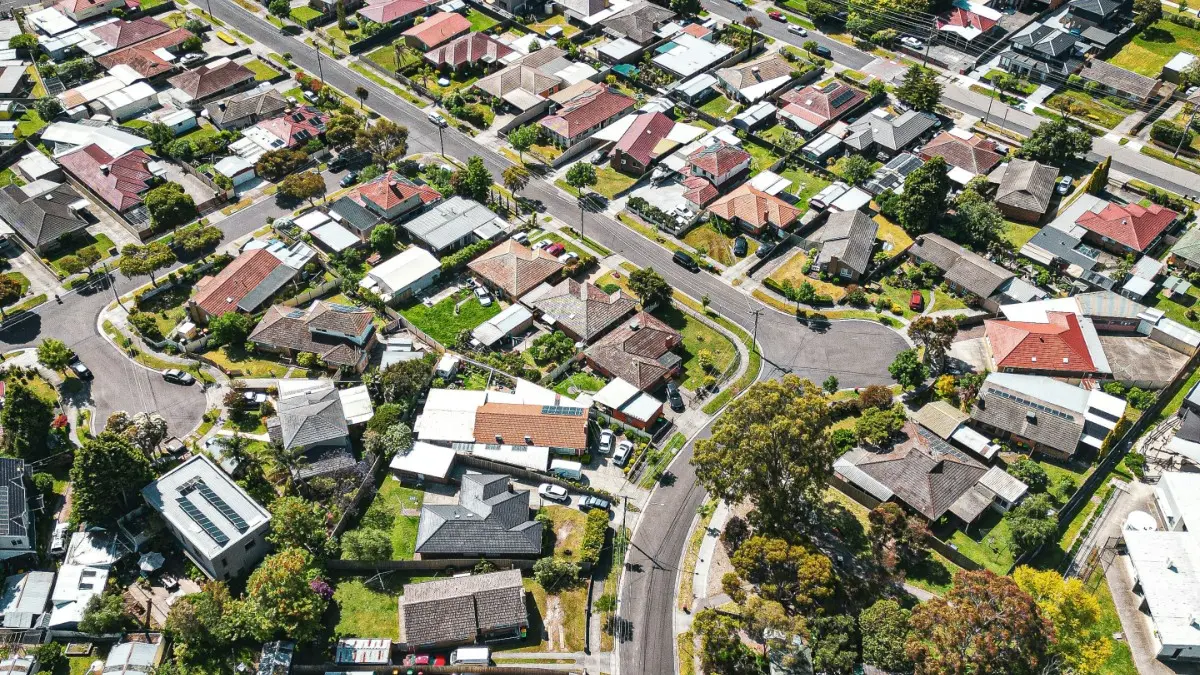
Here is the 3-step process for pinpointing high-growth suburbs.
1. Follow Government Infrastructure Spending
Billions of dollars in new projects are a clear signal of future value.
- Visit the official Victoria’s Big Build website to see which suburbs are directly impacted by projects such as the recently opened West Gate Tunnel and the North East Link, which is set to open in 2028.
- Look at the areas adjacent to the main project zones. Some areas have seen significant growth in median values, partly driven by infrastructure upgrades.
2. Identify Jobs and Study Hotspots
These locations have constant and non-negotiable demand for suitable homes.
- Review the master plan or future development pages on the websites of major hospitals, such as The Alfred, and universities, such as Monash.
- These institutions create a steady flow of high-income professionals and students who need to live nearby, supporting strong rental returns and stable property values. Our team, for example, cross-references this data with zoning changes to find pockets where a new café strip or medium-density approval will further amplify demand.
3. Track the Wealth Ripple
This is about seeing where high-income demographics are moving next.
- Use a real estate portal like Domain. Record the median home price for a premium suburb like Toorak. Then, map the median prices for all directly bordering suburbs.
- When prices in a less expensive neighbouring area begin to accelerate, it’s often a leading indicator that affluent families are moving in for better value, which in turn drives up the median price of the entire area.
Step 3: The Final Check That Protects You From Overpaying
Finding the right property is only half the battle. The single biggest financial risk is getting caught in the emotion of an auction or negotiation and paying more than the asset is objectively worth. You’ll need to be prepared for the bidding.

A formal valuation is your non-negotiable safety net. This is fundamentally different from a seller’s representative’s appraisal. That person has a legal duty to the seller, not you. As a Certified Practising Valuer with the Australian Property Institute, my legal duty is to provide an objective and evidence-based market value.

“Most people approach property with 90% emotion and 10% logic. We’ll flip that equation for you by starting with a Certified Valuer’s analysis. This gives you the confidence to bid aggressively when it counts, knowing you’re making a brilliant financial decision for your future.”
Kevin Ni, Managing Director
A valuer physically inspects the property, then analyses it against a minimum of three recent and directly comparable sales. We’ll then make specific dollar-value adjustments for differences in land size, building condition, and the quality of fittings. A buyer’s agent’s primary job is to protect their client’s capital, and our valuation process includes a final review of the contract and Section 32 with a solicitor to ensure there are no hidden clauses or future risks.

Your Action Plan to Buy With Confidence
- Look Past the Headlines: See the current uncertainty as the source of your opportunity to buy a great home.
- Focus on Data, Not Drama: The surge in investor loans and the supply gap are the most reliable indicators of future price appreciation.
- Find the Pockets of Value: Use the 3-step checklist to track infrastructure, job hubs, and demographic shifts.
Set Your Walk-Away Price: Before you make any offer, get a formal, independent valuation. It’s the ultimate protection against an emotional and expensive mistake, ensuring you’re kicking goals from day one.
Melbourne Real Estate Market FAQs
The primary advantage of purchasing in Melbourne now is the opportunity to acquire an asset in a less competitive environment. While economic uncertainty around Reserve Bank of Australia interest rates is a factor, solid rental yields and a structural housing shortage mean now's a strategic time to enter the market.
Timing the exact bottom of the property cycle is nearly impossible. With forecasts predicting house price growth for Melbourne in 2026, waiting could mean paying more for the same property or being priced out of your desired suburb. suburb.
Interest rates directly impact borrowing capacity. Higher rates mean higher repayments, and they may reduce the maximum amount you're able to borrow. The trade-off is that higher rates also tend to reduce the number of active buyers, leading to less competition. For a buyer with secure financing, this presents an opportunity to negotiate more effectively. effectively.
The single biggest risk for any home buyer is overpaying due to emotional decisions or incomplete information, especially at auctions. This can be avoided by commissioning a formal and independent valuation from a Certified Practising Valuer before making an offer. This data-driven report establishes a property's fair market value, giving you a firm walk-away price.

Ni Advocacy
Melbourne Buyers Agency
Execute Your Strategy With an Expert
Access off-market properties and get a certified valuation. Let’s secure your next home or investment with a data-driven advantage.