

Key Takeaways: A 3-Step Framework to Win
Step 1:
Focus on the land value, not the house. Apply the 60% Land-to-Asset ratio to ensure the property is a long-term appreciating asset that's insulated from short-term market fluctuations.
Step 2:
Next, use rental data as a live indicator of the intense demand for homes. A suburb vacancy rate of around 1% is a strong signal of genuine pressure on property values and rental income.
Step 3:
Finally, set your budget with hard data, not emotion. A formal valuation from a certified valuer gives you an evidence-based bidding limit. This is your ultimate protection against overpaying, especially when you're considering how interest rate cuts affect property values.
Step 1: Focus on the Land-to-Asset Ratio for Future Growth
The first step in any sound property purchase is to analyse the asset itself. Long-term wealth is primarily driven by the land’s appreciation in value, while the building on it depreciates over time. Given the strong population growth forecast, land scarcity is a key driver of value. A core mechanical rule to ensure you’re buying a quality asset is the Land-to-Asset Ratio.
The Instruction
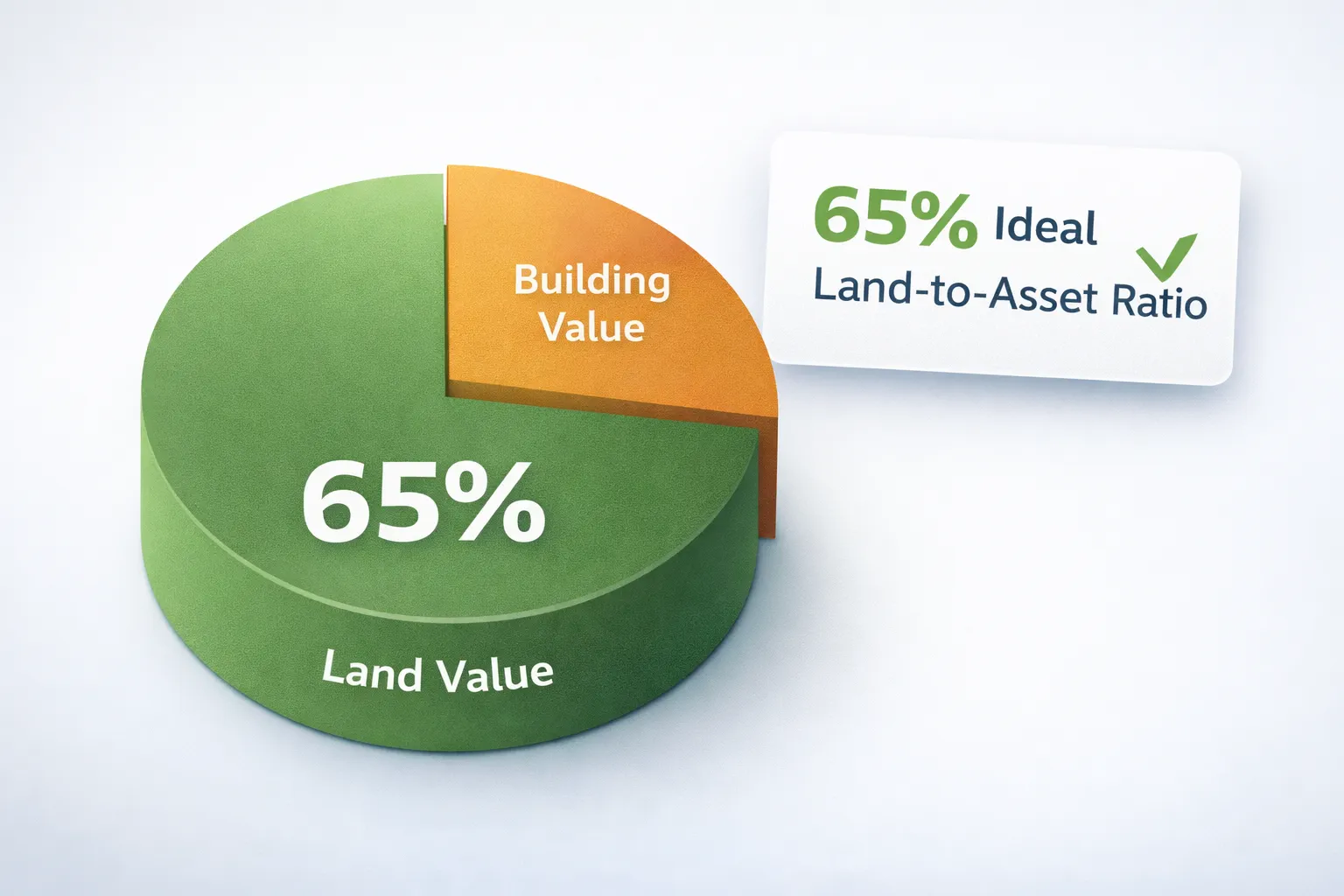
Your goal is to find a property in which the land accounts for at least 60% of the property’s total value. For a property valued at $1 million, the land must be worth at least $600,000.
How the mechanics work
You’ll find a property’s “Site Value” on its council rates notice. Divide this figure by the property’s asking cost to calculate the ratio. For instance, a Site Value of $650,000 for a property listed at $1,000,000 yields a 65% ratio, which means you’re kicking goals. Our team uses this as a non-negotiable filter to instantly disqualify properties that don’t meet this growth-oriented standard. By applying this simple mathematical rule, you’ll avoid the common mistake of overpaying for cosmetic features that lose value.
Step 2: Use Rental Data to Gauge Housing Demand & Affordability
Once you’ve confirmed an asset is high-quality, the next step is to verify there’s genuine market demand for it. The rental market provides a real-time, unbiased reading of this. The key metric to analyse is the Vacancy Rate, which directly reflects the future of the rental market and the imbalance between the need for accommodation and the available housing supply.
The Instruction
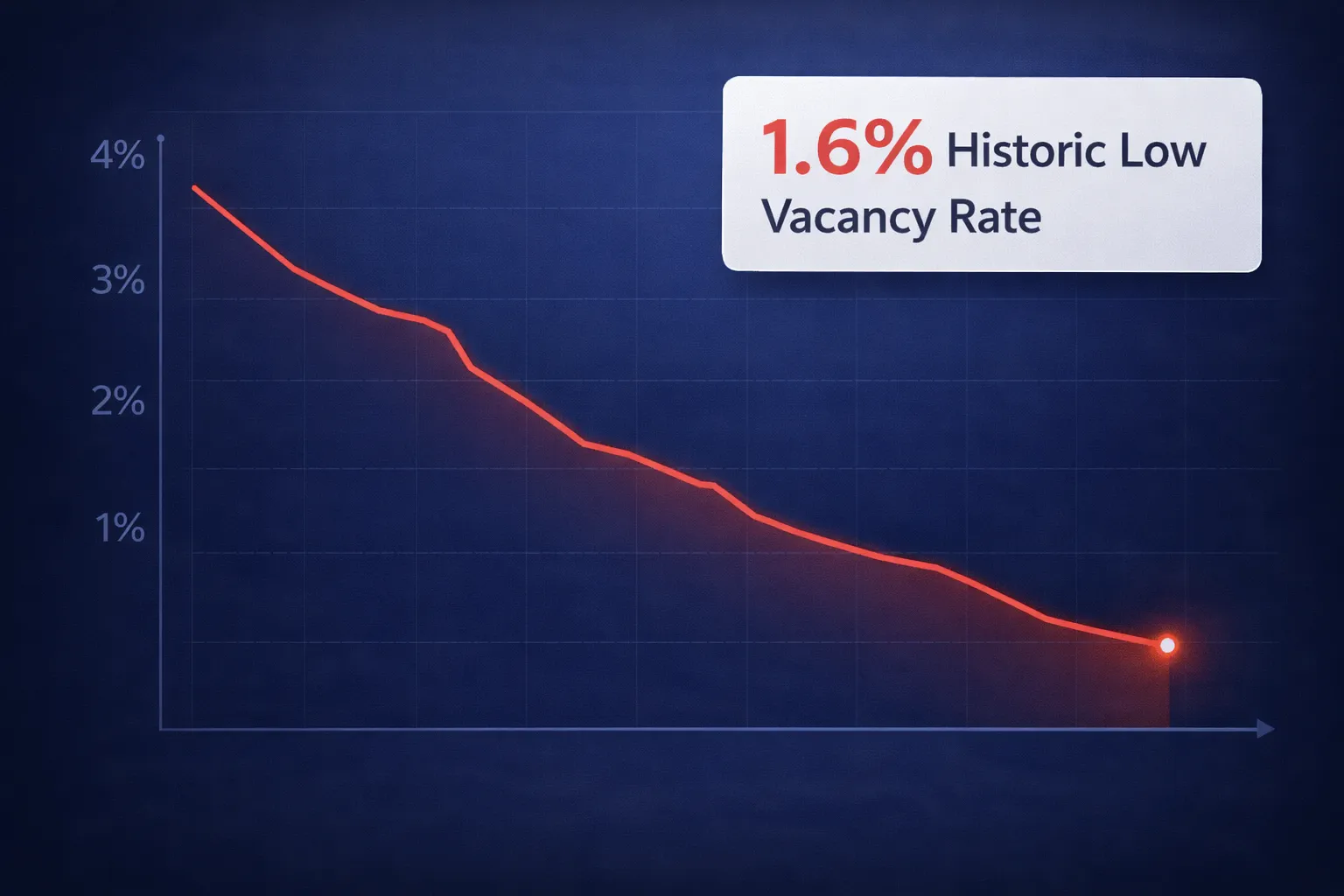
Search for suburbs with a vacancy rate of around 1%. You’ll find current, suburb-specific data on independent research websites.
How the mechanics work
A low vacancy rate is direct evidence that supply isn’t meeting demand. This is intensified by population changes due to migration and growing overseas buyer interest. A balanced market sits around 3%. Anything significantly lower signals a high-demand area primed for expansion, which is an essential factor when you’re learning how to position for a property boom. It’s critical to check the data for the specific suburb, as a low citywide average can hide pockets of oversupply that could limit your asset’s performance.
Ready to Win in Melbourne's Market?
Apply this data-driven framework with an expert by your side. Secure your ideal property without overpaying.
Step 3: Establish a Bidding Limit with Hard Data
The final and most critical step is to determine the correct amount to pay. In a competitive environment where buyers speculate about how interest rate cuts affect property values, emotion is the enemy of a good deal. To protect yourself from overpaying, you’ll need to establish a non-negotiable bidding limit based on objective evidence.
The Instruction
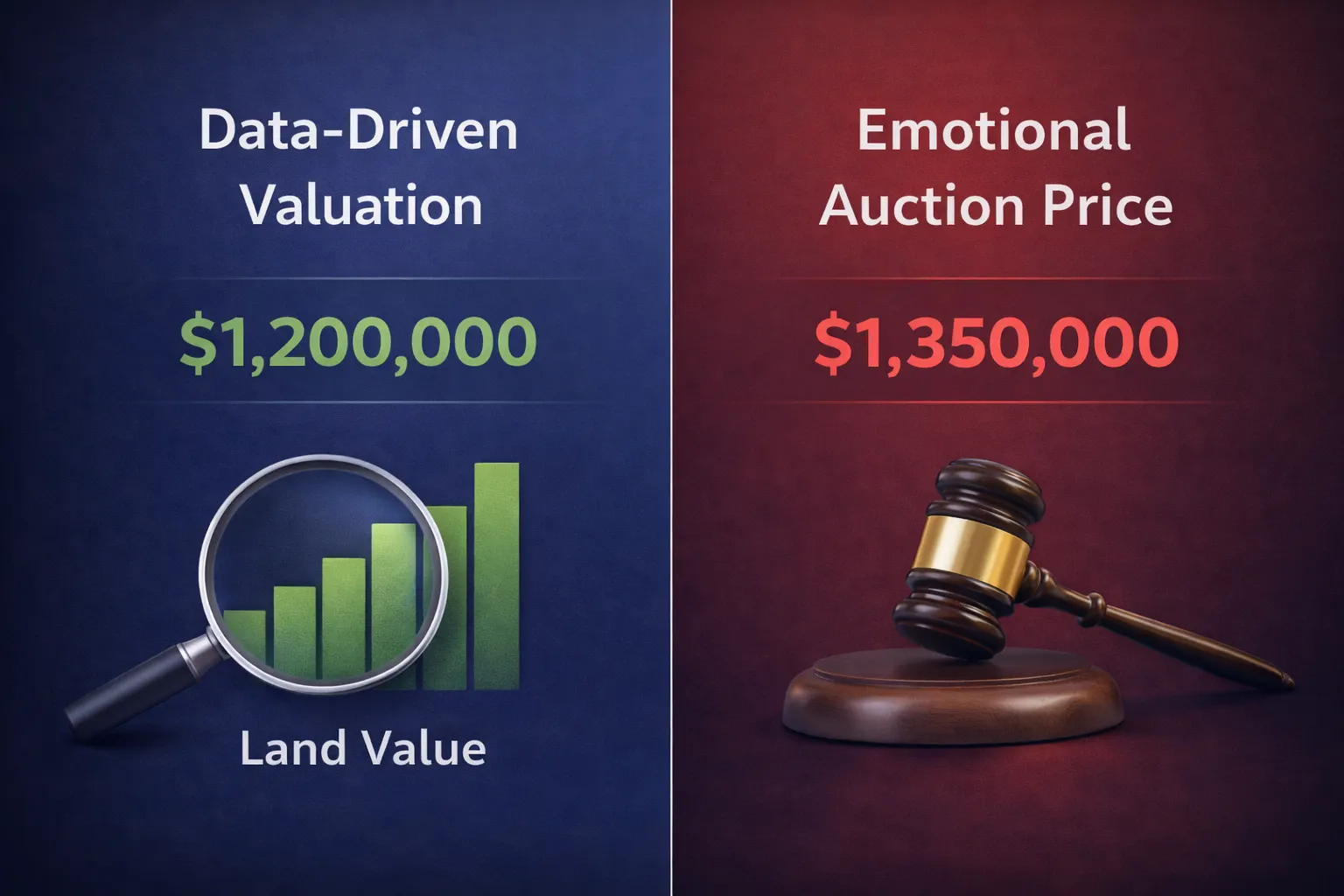
Engage a Certified Practising Valuer to conduct a formal, written valuation of the property before you make an offer. This is the only way to get an impartial, data-driven assessment of a property’s true market worth.
How the mechanics work
A formal valuation isn’t just an opinion. A valuer meticulously analyses the three most recent and relevant comparable sales while making specific dollar adjustments for differences in land size, condition, and features. Following the evidence-based process outlined by the Australian Property Institute can reduce the risk of overpayment by 5-10% on average. This data-first approach is our secret sauce because it removes the emotion that often leads to costly bidding wars.
The resulting figure gives you an absolute bidding limit. It answers the primary anxiety every buyer has about whether they’re overpaying. This data-driven discipline is crucial regardless of market conditions, but it’s especially important to understand what happens if the real estate market crashes.
Frequently Asked Questions
The migration impact on housing is direct and significant. It creates a fundamental structural imbalance where population growth consistently outpaces housing supply. For instance, data from the Australian Bureau of Statistics reveals a stark contrast. While the population grew 1.5% annually, Victoria's dwelling completions actually fell by 25.5% in the year to June 2025. This scarcity pushes both property purchase values and rental rates higher.
A good Land-to-Asset Ratio for an investment-grade property is 60% or higher. This ratio ensures that the majority of the property's value is in the appreciating land component rather than the depreciating building. Properties with a low ratio, such as new high-rise apartments, carry a greater risk of poor capital growth than properties with a significant land component, such as a house on a block of land.
Reserve Bank of Australia interest rate cuts typically increase housing values by making mortgages cheaper. Lower rates increase a buyer's borrowing capacity, which allows them to offer more for a property. This surge in purchasing power often leads to stronger competition and ultimately drives up house prices. In fact, waiting for a rate cut can be a high-risk strategy. Forecasts from KPMG project a 6.8% rise in Melbourne house prices for 2026, which is an increase that'd likely far outweigh any minor savings from a rate reduction.
A low vacancy rate is critical for property investors because it signals strong and consistent tenant demand. For an investor, this means a significantly lower risk of the property being vacant and generating no income. It also provides the leverage needed to increase rents over time, which improves the property's yield. A low vacancy rate is a direct measure of the profitable imbalance between supply and demand in a specific suburb.
A property valuation is an objective, data-driven assessment of a property's market worth conducted by a Certified Practising Valuer. In contrast, the sale price is simply the amount a buyer agrees to pay on a specific day. A valuation is based on verifiable evidence, such as recent comparable sales. A sale figure, particularly at auction, can be heavily influenced by factors like buyer emotion and competition. These factors can push the price well above the formal valuation and true property value.
Ni Advocacy
Melbourne Buyers Agency
Gain Your Unfair Advantage
Our expert valuers give you the confidence to purchase the right property at the right price.