

Key Takeaways: A Framework for Avoiding Costly Property Mistakes
The riskiest buys are specific types of properties and not just certain suburbs. Common errors involve buying high density apartments, houses in rental dominated estates, or buildings with costly maintenance problems.
A property's potential for capital growth is linked to scarcity and land value. A key feature of assets with poor growth is often an oversupply of stock that lacks uniqueness and has a poor land to asset ratio.
Objective data reveals the key signs of a bad property investment. You'll identify these risks by checking public rental listings, reviewing a building's Annual General Meeting minutes, and observing the character of a neighbourhood.
Red Flag 1: The High Density Apartment Trap and Investment Risk

One of the most common mistakes is purchasing a standard finish apartment in a large residential building. It’s a classic sign of a bad property investment.
What this asset class is: A modern apartment located in a tower with 50-100 or more other units. These are common in inner-city areas where many similar buildings exist. This creates a large supply of nearly identical properties in the market.
The inherent market risk: These properties fundamentally lack scarcity. When you decide to sell, your property is competing directly with every other similar listing. This high supply is a major contributor to stagnant capital growth and can impact the entire local property market. Instead of focusing on these, it’s better for investors to look for the top suburbs for unit investment where these issues are less prevalent.
How to Identify an Oversupply Problem
The Data Check: Before inspecting, perform a simple supply analysis on a property portal like Domain or realestate.com.au. Search for the specific building address and filter by “For Rent.” If you see more than 5-10 other apartments actively listed for rent in the same complex, it’s a clear indicator of market oversupply and a potential high vacancy rate. A professional valuer would flag this as a significant risk to achieving desirable rental yields.
Red Flag 2: The New Investor Heavy Estate and Growth Risk

Many new housing developments on the city’s fringe are marketed heavily to out of area investors. These can become low growth areas if they fail to attract a strong community of owner occupiers.
What this asset class is: A newly built housing estate where a high percentage of properties are owned by investors and leased to tenants rather than owned by the families living in them.
The inherent market risk: Owner occupiers are the primary drivers of sustainable price growth. They invest in the community, and they’re willing to pay a premium for a stable and family friendly environment. An area dominated by renters can feel transient. This is a factor that can contribute to an area underperforming in the market.
How to Identify an Investor Dominated Area
The Visual Check: Look at the ‘For Sale’ and ‘For Rent’ listings across the entire area. If you notice a high volume of homes that look identical, it’s a strong sign that the area was sold to investors. A high ratio of rental listings to sale listings further confirms this. It shows a lack of community fabric that attracts premium-paying owner-occupiers and impacts rental affordability.
Need help finding an area with strong owner occupier appeal?
A professional analysis can ensure your asset is positioned for genuine long term, family driven growth.
Red Flag 3: The High Maintenance "Money Pit" Building
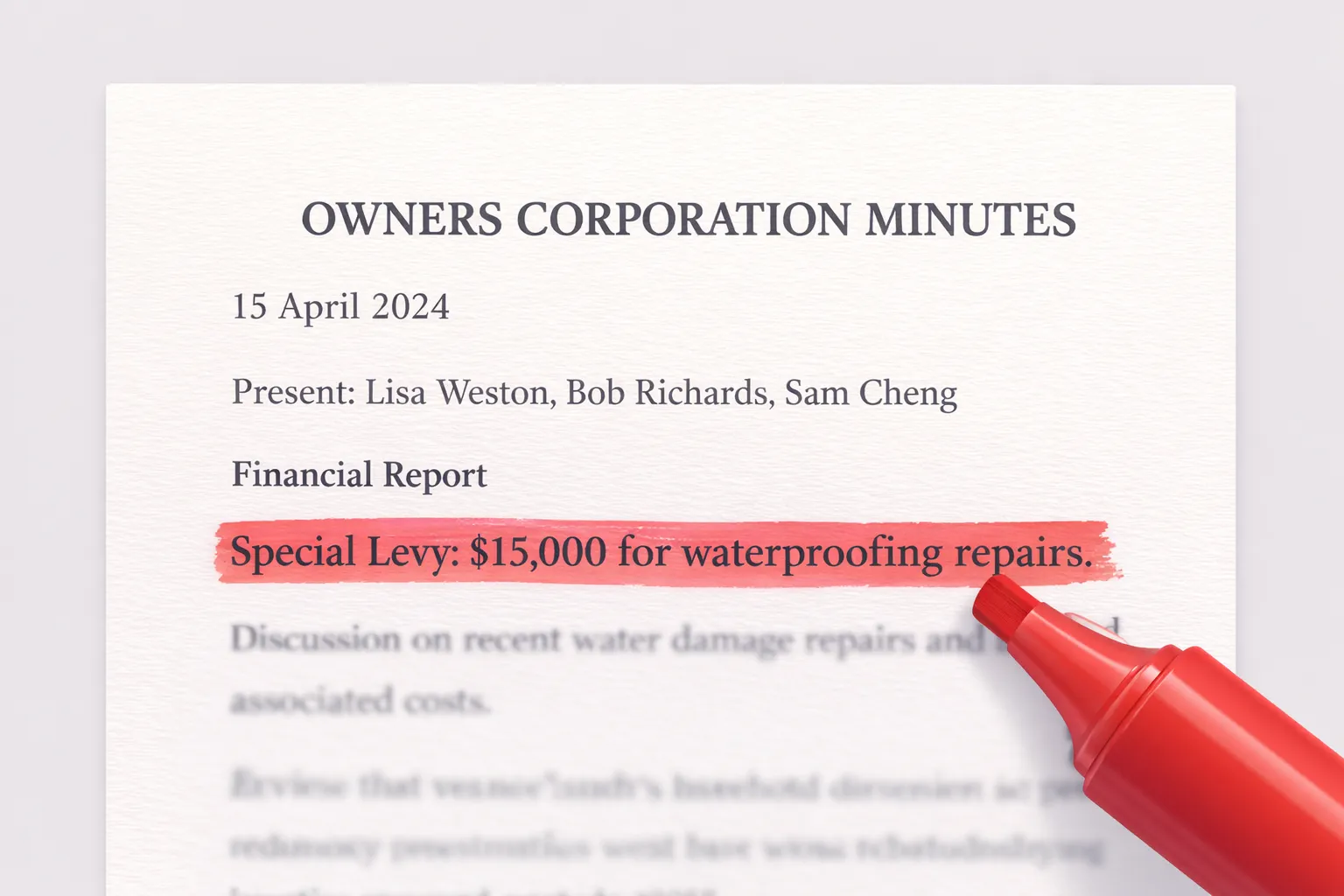
Older apartment blocks can hold significant appeal, but they carry the hidden risk of deferred maintenance. This is one of the most costly signs of a bad property investment.
What this asset class is: Typically, a residential apartment building constructed over 20 years ago, where the Owners Corporation hasn’t proactively budgeted for the replacement of major items.
The inherent financial risk: All owners in a building are legally responsible for sharing the cost of major works. If the building requires a new roof or has concrete cancer, the Owners Corporation will raise a “Special Levy.” This large and one off payment can easily amount to tens of thousands of dollars. It severely impacts your returns and creates negative cash flow.
How to Identify a Building's Financial Health
The Document Check: Any serious consideration of an apartment requires a thorough review of the last two Annual General Meeting minutes. This is a non negotiable step in professional due diligence. Our team, for example, cross references these minutes with the Section 32 vendor statement to identify any discrepancies. Within the reports, search for keywords such as “special levy,” “waterproofing,” or “major works” to identify a poor risk profile and potential financial issues.
Answering Your Questions About Melbourne Properties
Yes, you'll identify leading indicators that signal a potential drop in a suburb's property price. For an investor looking to avoid buying at the market peak, monitoring two specific demand side metrics is crucial:
- Rising 'Days on Market': This metric shows the average time a residential property takes to sell. A consistent increase over a quarter suggests buyer demand is weakening.
- Falling Auction Clearance Rates: A decline in the percentage of properties sold at auction indicates fewer active, confident buyers in the market.
When both of these indicators trend downward together, it often precedes a fall in median sale prices. Monitoring these growth rates is key.
The single biggest financial mistake is a failure to conduct objective and data driven due diligence. This almost always stems from making an emotional decision. This primary error typically manifests in three ways:
- Ignoring Proven Supply and Demand: Buying a "cheap" apartment without first checking the large number of similar rental listings, which indicates high vacancy and poor rental yield potential.
- Banking on Speculative Growth: Purchasing in an area based on a promised infrastructure project like a new train station that's still only in the planning phase and isn't fully funded.
- Skipping Professional Checks: Failing to review crucial documents like the Annual General Meeting minutes. These would reveal a building's history of expensive repairs or upcoming special levies that create a major financial risk.
It's far more effective for an investor to focus on avoiding bad properties, as even the best blue chip suburbs contain poor performing assets. The specific characteristics of the property itself, including its land value, scarcity, and condition, have a greater impact on your financial return than the general reputation of the suburb. You'll find out more about Melbourne's top investment suburbs to understand what makes them strong performers.
For example, a high maintenance apartment with no scarcity located in a premium suburb like Toorak is a significantly worse option than a quality house on a generous land block in a stable and developing middle ring area. The house has strong fundamentals, such as land value and scarcity, that the apartment lacks. This makes it the superior choice for long term capital growth.

Ni Advocacy
Melbourne Buyers Agency
Ready to find a great property?
A data driven strategy helps you find and secure a high growth property with total confidence so you’re kicking financial goals from day one.