

Key Takeaways: Your Due Diligence Checklist
The Core Process:
Due diligence involves three non-negotiable checks: a professional review of the sale documents, the importance of a building and pest inspection, and a data-driven analysis of its true market value.
Step 1: Get a Professional Contract Review:
A solicitor must check the agreement for risks and add safety clauses, such as “subject to finance” and “subject to an inspection”.
Step 2: Get a Professional Inspection:
For a house, hire a licensed inspector. For an apartment, you've got to get and read the last two years of the Owners Corporation minutes to find hidden defects and upcoming costs.
Step 3: Determine the Real Market Price:
Don't trust the selling agent's price guide. Use recent, comparable sales data from sites like Domain to calculate a firm price limit based on hard evidence.
Check 1: Understanding a Contract of Sale with a Solicitor
The first mechanical step in property due diligence is to get a legal professional to review the paperwork. A seller’s agreement is written to protect them, not you. A buyer’s protection comes from their own solicitor or conveyancing expert completing a thorough investigation of the documents. The Law Institute of Victoria explains that this process includes checking all disclosures and warranties for hidden risks.

The job entails sending the Section 32 (Vendor’s Statement) and Contract of Sale to a qualified solicitor. Their task is to find and flag issues that could impact your ownership, such as:
- Restrictive Covenants: Rules registered on the property title that could stop you from constructing a second storey or even painting your home a certain colour.
- Easements: Rights that allow authorities, utility companies, or neighbours to run pipes or wires through your land, which can affect property survey and boundary checks.
- Planning Overlays and Zoning: Heritage or environmental rules that can kill your renovation plans before they start. This involves checking for unapproved structures or missing approvals.
After this review, the solicitor must add two essential clauses for your protection: a “Subject to Finance” clause and a “Subject to a Favourable Inspection Report.” This makes your offer conditional on getting bank approval and a clean report on the structure, giving you a safe exit if problems arise. This process is a core part of the buyers agent services we’re managing on your behalf.
Check 2: The Importance of a Physical Inspection
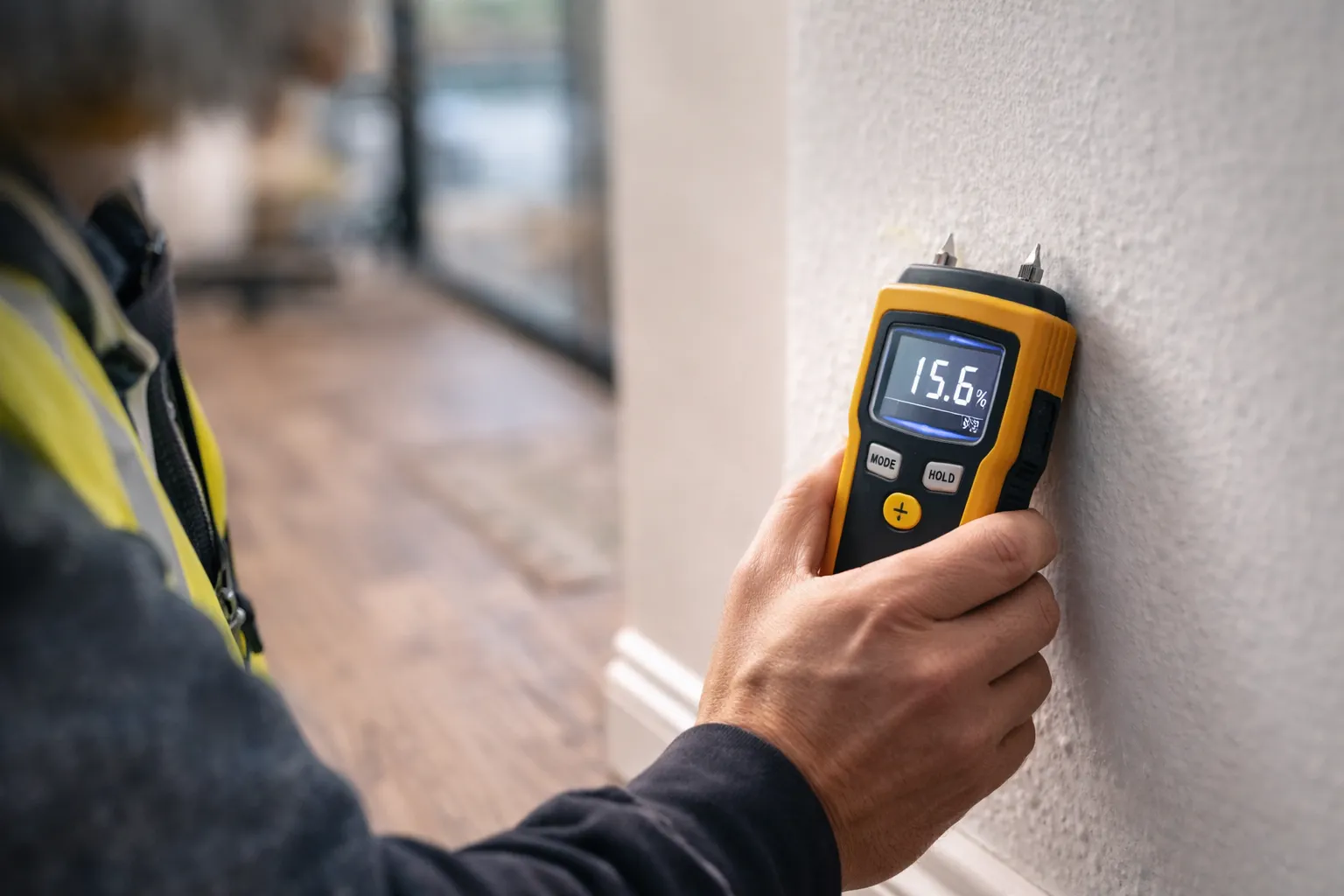
The next step is to verify the physical condition of the property. The fear of acquiring a “lemon” with expensive, hidden defects is real, and a proper evaluation is key to mitigating this risk. It helps ensure there aren’t any nasty surprises waiting for you after the purchase. Victorian buyers should be particularly thorough, as undisclosed material facts about issues like asbestos, plumbing, and pests can lead to significant repair costs.
Need help running the numbers?
A buyer’s advocate can provide a data-driven valuation to ensure you’ll buy with complete confidence.
For a house, this means booking an independent inspector for a thorough evaluation that follows the official Australian Standard AS 4349.1. It’s your financial shield against major structural issues, water damage, or pests that can cost tens of thousands to fix. For an apartment, the procedure’s just as critical. You’ve got to get the last two years of Owners Corporation minutes from the seller’s representative and read every page.
A thorough investigation can address any issues like the common apartment red flags, legal disputes, or large upcoming fees (special levies). Understanding why you’ll need a buyer’s agent for building inspection reports can provide an extra layer of expert analysis.
A bad report doesn’t always mean you’ve got to walk away. The standard industry practice is to use the inspector’s cost estimates to go back to the seller and negotiate a price reduction to cover the repair work.
Check 3: Calculate the Property's True Market Price
The final check addresses the biggest anxiety for buyers: overpaying. In a market where even modest properties attract intense competition, due diligence helps you identify the actual market value. A professional buyer never trusts the selling agent’s price guide, which is a marketing tool, not an official valuation.
With some analysts forecasting Melbourne’s property price growth will be less than 3% in 2026 due to affordability constraints, the risk of paying yesterday’s boom price is very real.
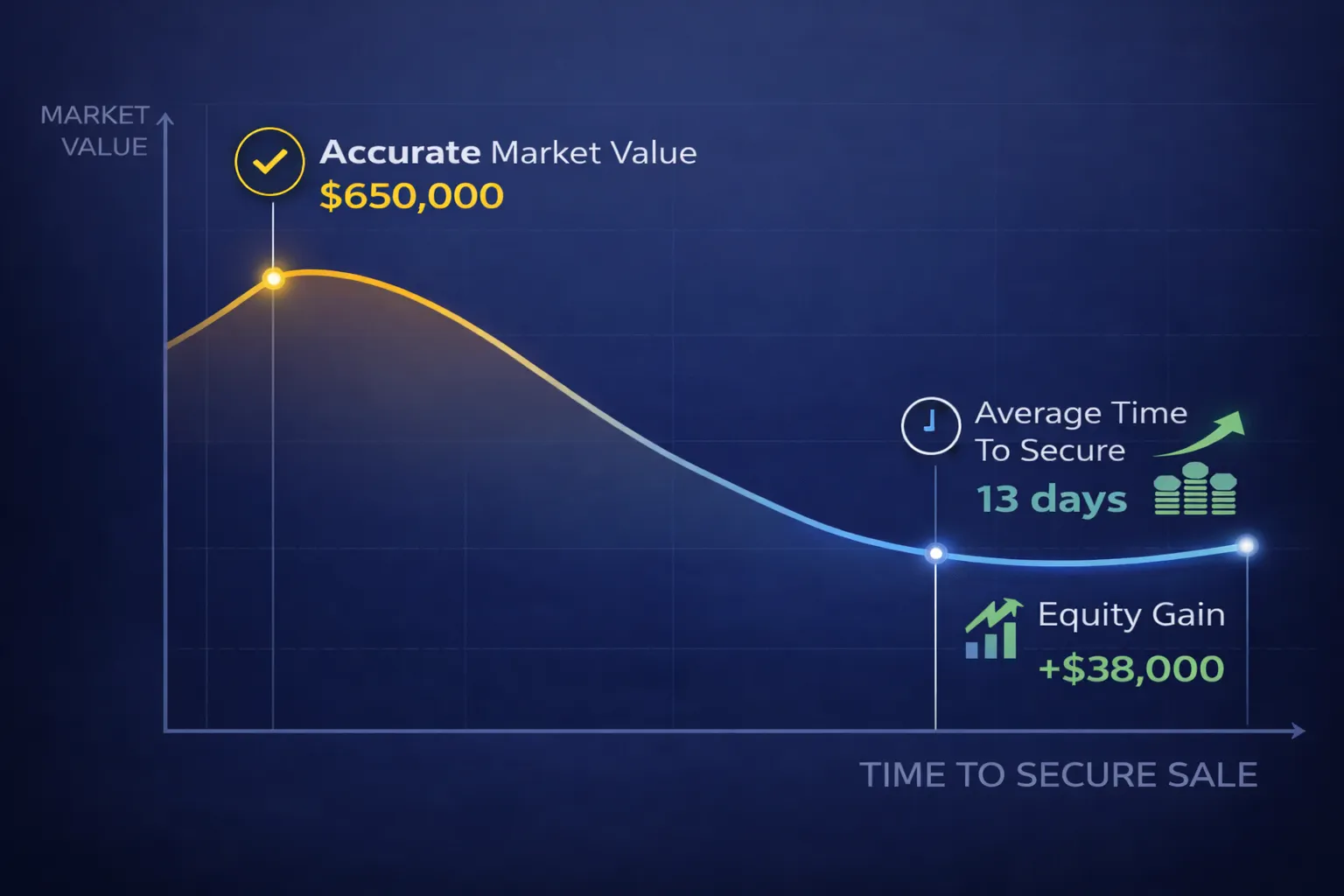
Here’s the mechanical procedure: go to a major property portal like Domain or realestate.com.au and filter for “Sold” properties. Find 3 to 5 properties that are as similar as possible to the one you’re considering and were sold within the last 90 days in the same suburb.
This analysis helps you establish a hard price ceiling based on recent, factual evidence. Our team, for example, runs a comprehensive comparative market analysis using multiple data sources to create a valuation report, ensuring a client’s offer is always backed by solid numbers. This step removes emotion and is a key service offered by a certified valuer buyer’s agent who adheres to rigorous Australian Property Institute valuation standards.
Your Top Due Diligence Questions Answered

The biggest red flags in an Owners Corporation report are signs of poor financial management or major hidden structural problems. You're primarily looking for issues that'll force you to pay large, unexpected fees after you've bought. The Consumer Affairs Victoria guidelines highlight the main deal-breakers, which include:
- A Low Sinking Fund Balance: A healthy complex has a well-funded maintenance (sinking) fund for planned future works, like replacing a roof. A low balance means you'll be hit with a large special levy to cover these costs.
- Pending Legal Action: Lawsuits against the original construction company, often found in newer apartment towers, signal serious underlying defects with things like waterproofing or flammable cladding.
- A History of Special Levies: If the Owners Corporation repeatedly raises extra money just for basic upkeep, it indicates the regular fees are too low, and the finances are poorly managed.
Yes, for many buyers, title insurance's a worthwhile investment. It's a specialised, one-off policy that protects a new homeowner from financial loss caused by unseen title-related risks. Unlike property insurance, which covers physical damage to the home, title insurance covers ownership issues. For a home-buyer considering the cost, it's a tradeoff between the upfront policy fee and the risk of enormous future bills. It specifically protects against issues like:
- Unapproved construction works completed by a previous owner.
- Errors or mistakes on public records.
- Boundary disputes or encroachments not identified by a standard property survey.
- Fraud or forgery that challenges your right of ownership.
Property survey and boundary checks are extremely important because they define the exact perimeter of your land and identify if any structures are over the boundary line (known as encroachments). Relying on existing fences can be a mistake, as they're often not on the true title boundary.
A formal survey by a Licensed Surveyor provides legal certainty, which is crucial for planning extensions or resolving disputes with neighbours. In contrast, a simple visual check offers no protection if a boundary issue arises later.
Carefully checking with the relevant authorities is a crucial part of your due diligence process. In Victoria, this must include checks for issues like zoning restrictions, environmental risks (such as contaminated land via Environment Protection Authority records), and infrastructure contributions in growth areas.
Key things to investigate include town planning schemes, which dictate how the land can be used, and confirming there are approvals for all existing structures and renovations. You'll also need to check for any flood zone or bushfire overlays that'd affect your property insurance or future development plans.
Beyond the sales agreement, other legal risks exist when buying property. One significant area is title fraud, though rare. Another's finding undisclosed easements or covenants that restrict your use of the land. A skilled Melbourne buyer's agent or conveyancing professional understands these complexities and'n help navigate the statutory requirements to protect your ownership rights fully.
The final inspection before settlement is the buyer's last opportunity to confirm the property is in the same condition it was in when he sales agreement was signed. This's different from the initial inspection, which identifies underlying defects. The final inspection ensures the sellers met their obligations. Key items to verify include:
- Condition: No new damages occurred since the paperwork was signed.
- Inclusions: All items listed in the agreement (like dishwashers, curtains, and air conditioners) are still present and in working order.
- Cleanliness: The property is reasonably clean and all the seller's possessions and rubbish have been removed.
Yes, a 'Subject to Finance' clause is absolutely necessary even with loan pre-approval. This is because pre-approval assesses you as the borrower, while the final, unconditional loan approval assesses the specific home. A bank values the property for less than your offer price, which creates a funding shortfall.
The clause creates a crucial tradeoff. If finance fails, you'll exit the agreement and have your deposit returned. Without it, you'd be bound to complete the transaction and'd lose your entire deposit if you're unable to secure the full loan amount.
Ni Advocacy
Melbourne Buyers Agency
Ready to buy your next property with total confidence?
We’re able to run this playbook for you, building a data-driven strategy to secure your next asset with certainty.